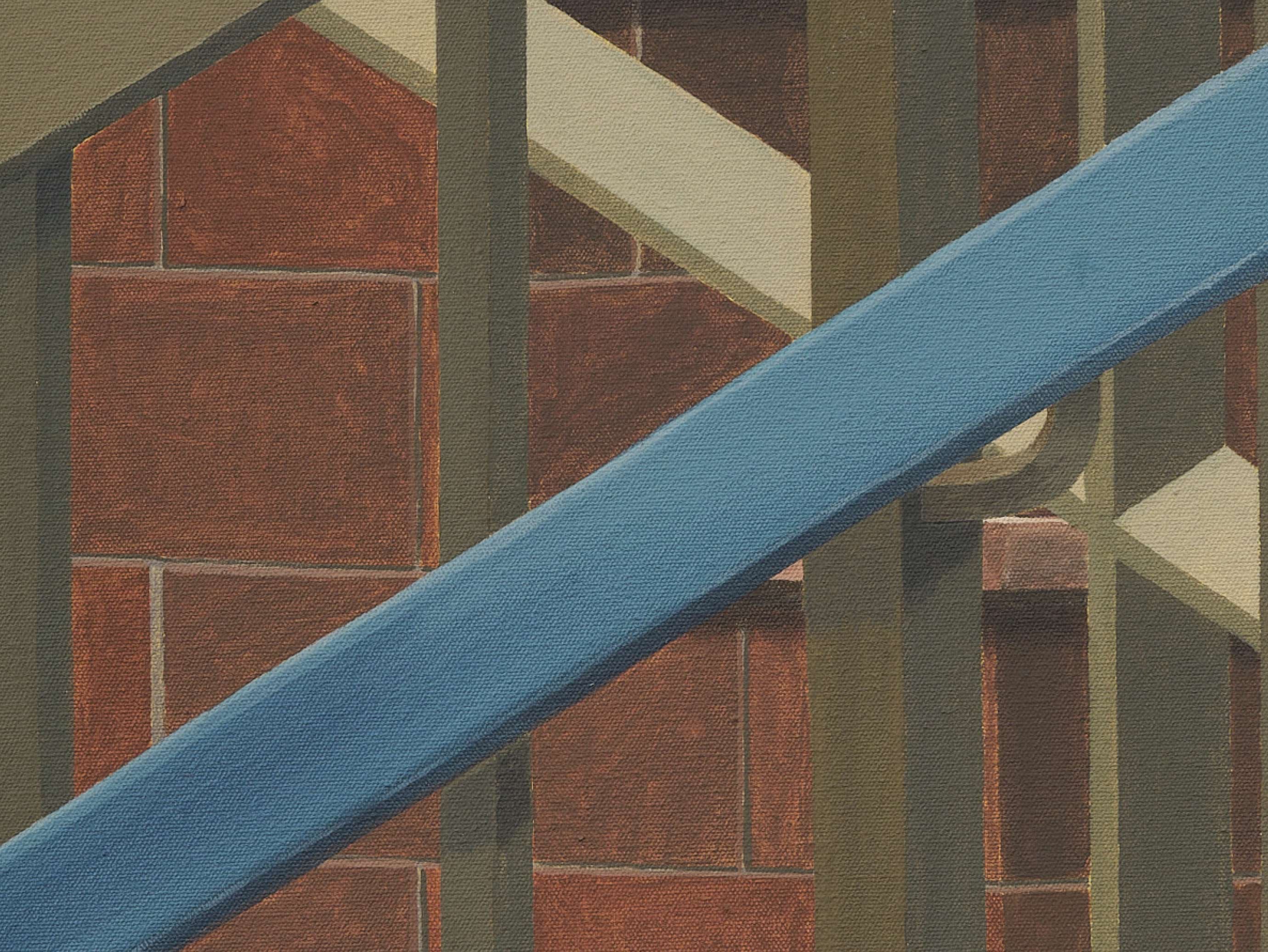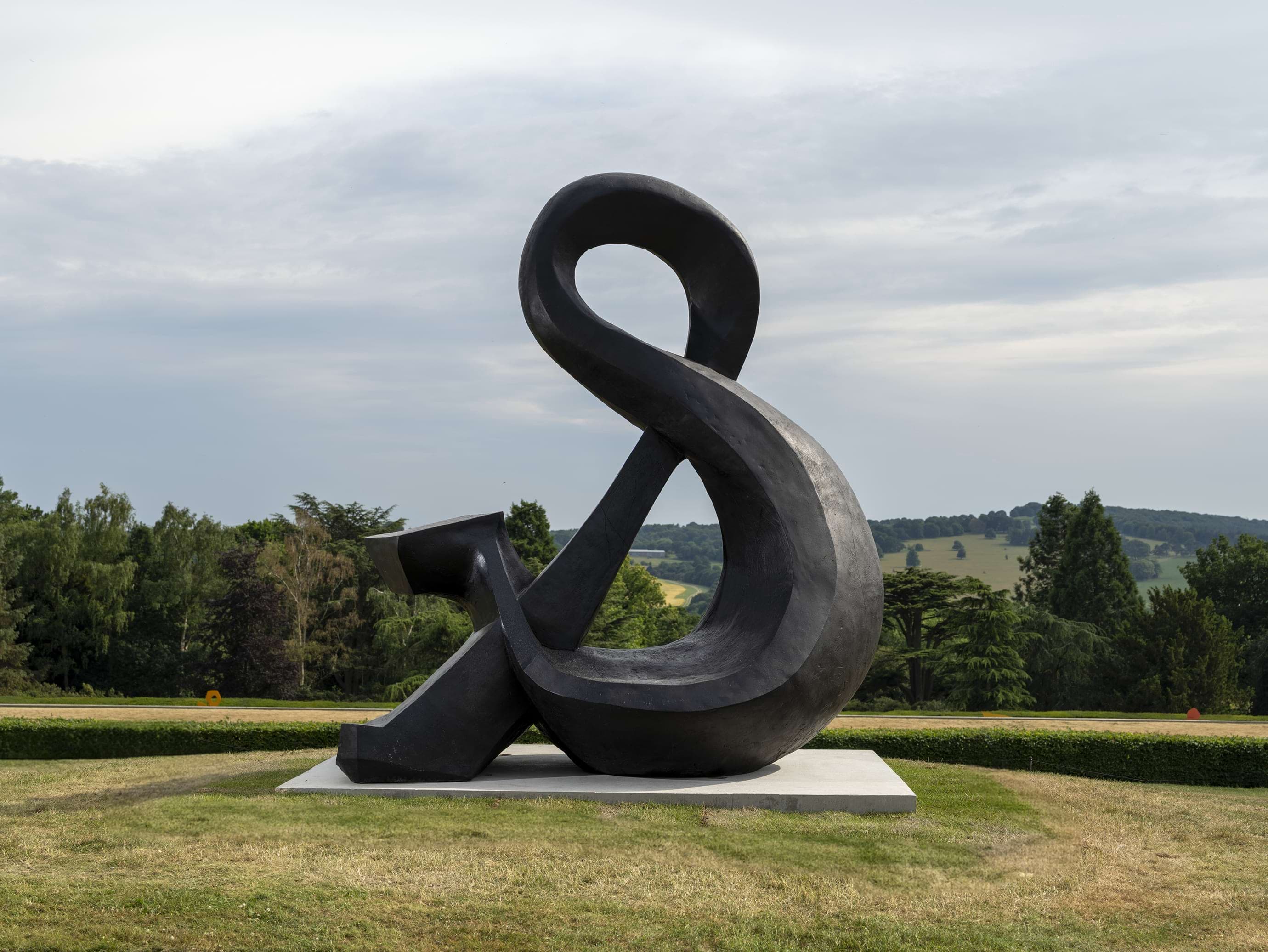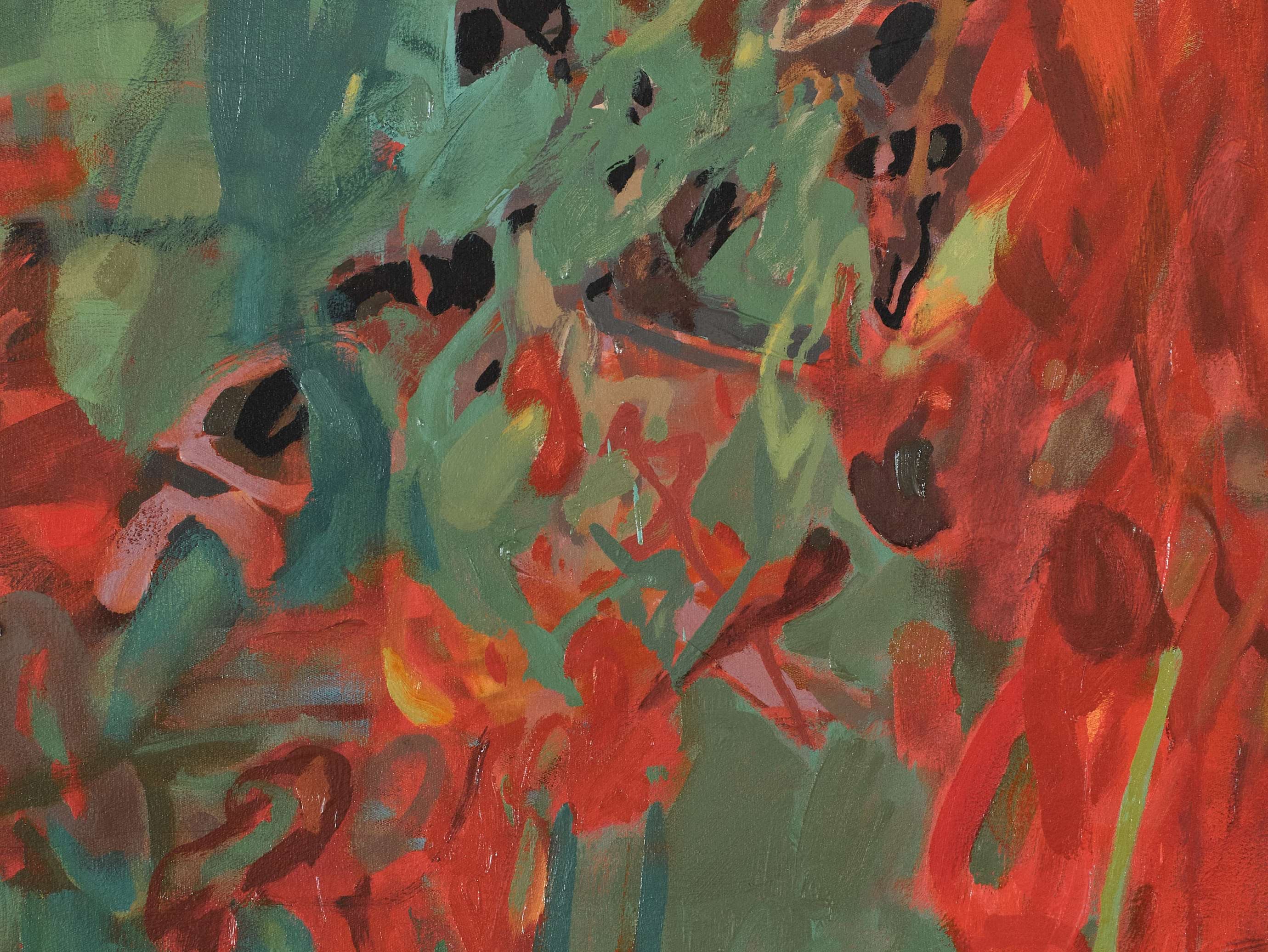
Goodman Gallery presents “so I inhaled spring” a group exhibition about materiality, temporality and lineage, featuring work by twelve artists from around the world with a focus on artists from or connected to the Global South. Works throughout the exhibition borrow from and respond to historical references, mythology and contextually-formulated visual languages.

The title is taken from the poem “Mynahs and raindrops” by South African poet and writer Makhosazana Xaba, a short poem in which the subject pauses to listen to the sounds of the birds and rain on their roof. This act of being hyper-present mimics the work of the artists in the show, all of whom pause and reflect on time and tradition through their artistic process.
The show contemplates time and memory through storytelling, ancestry and the human sensory experience, translated through the tactility, texture and symbolism expressed by each artist. The exhibition also considers the delicacy and intimacy of gesture, offering monuments, patterns and figurations that collectively produce a hybrid aesthetic landscape. The scale and nature of materials used by each artist requires intense bodily engagement, making each artist very present in what is translated through the textiles, sculpture and canvas.


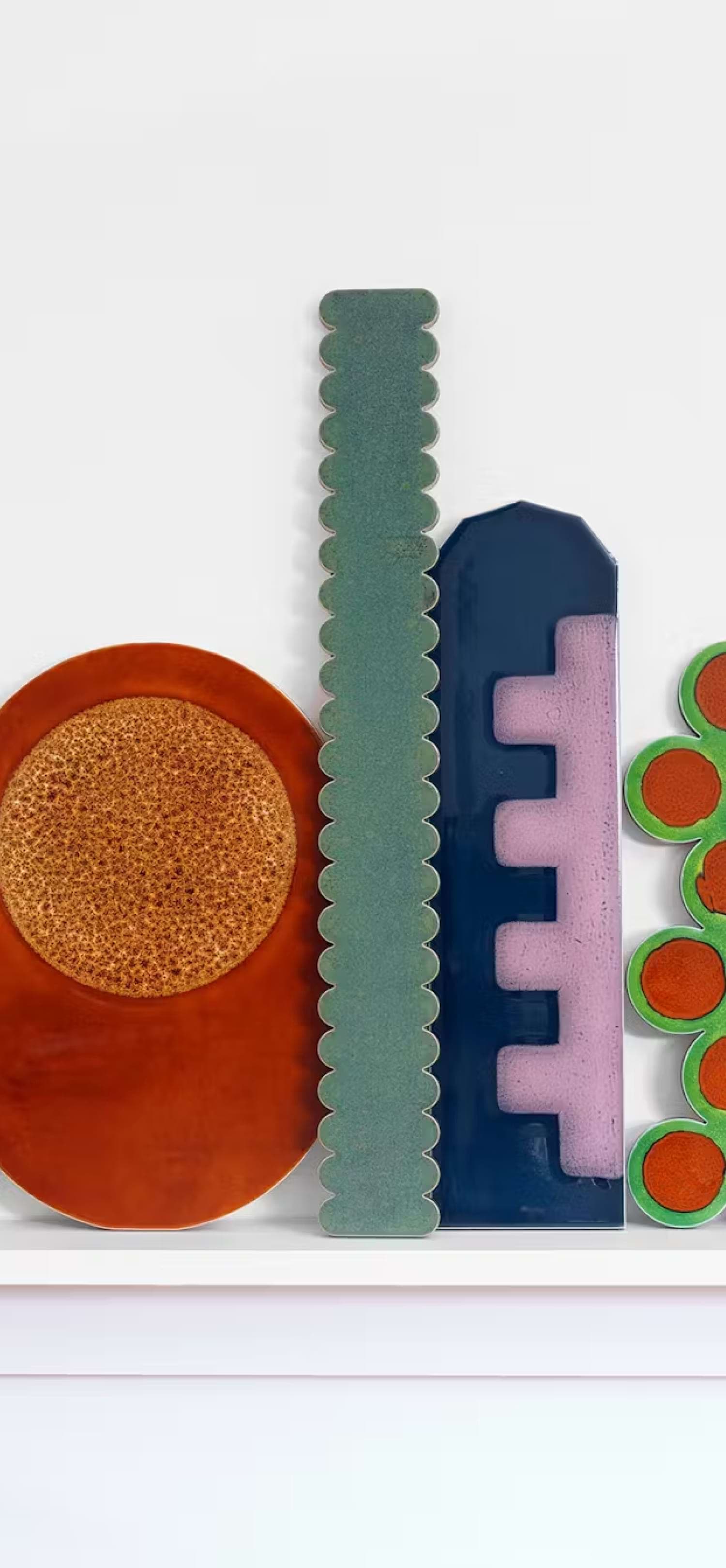
LUBANA CHOWDHARY
Lubna Chowdhary (born 1964) is a Tanzanian-born British contemporary artist known for her innovative work in ceramics, sculpture, and installation. Born in Dodoma, Tanzania, to Pakistani parents, she moved to the United Kingdom in 1970 and later studied at Manchester Metropolitan University and the Royal College of Art in London, where she specialised in ceramics. Chowdhary’s practice combines handcrafted and industrial techniques, creating colourful geometric forms, tiles, and sculptural compositions that draw inspiration from architecture, urban landscapes, and global design traditions. Her work often reflects her multicultural background, blending influences from South Asian, Islamic, and modernist aesthetics. She has exhibited internationally since the early 1990s, and her works are held in major collections including Tate in the UK and the M+ Museum in Hong Kong.

TUNGA
Tunga (1952–2016) was a Brazilian contemporary artist known for his complex and symbolic sculptures, installations, and performances that explored themes of mythology, alchemy, psychology, and the human body. Born José de Barros Carvalho e Mello Neto in Palmares, Brazil, he became one of Brazil’s most influential conceptual artists. Tunga studied architecture at the Federal University of Rio de Janeiro, though his artistic practice expanded far beyond architecture into multidisciplinary work involving materials such as metal, magnets, glass, bones, hair, and everyday objects. His artworks often combined scientific ideas with mythological narratives, creating immersive installations that blurred the boundaries between sculpture, performance, and ritual. Tunga exhibited internationally throughout his career and was the first contemporary artist to have a major exhibition at the Louvre Museum in 2005, solidifying his reputation as a significant figure in global contemporary art.

CARLOS BUNGA
Carlos Bunga (born 1976) is a Portuguese contemporary artist known for his large-scale installations, paintings, and sculptures that explore themes of architecture, memory, and transformation. Born in Porto, Portugal, he studied at the School of Fine Arts at the University of Porto. Bunga often works with simple materials such as cardboard, tape, and paint to construct temporary architectural structures that resemble walls, rooms, or fragmented buildings. His work reflects ideas about urban space, fragility, migration, and the constant process of building and rebuilding environments. Bunga has exhibited internationally in major museums and galleries, and his installations are known for their immersive quality and exploration of the relationship between space, structure, and human experience.

CLAUDIA ALARCÓN
Claudia Alarcón (born 1989) is an Indigenous Argentine artist and textile maker from the Wichí community in northern Argentina. She is known for her vibrant handwoven textile works that combine traditional Wichí weaving techniques with contemporary artistic design. Using fibres from the native chaguar plant, Alarcón creates colourful geometric patterns that reflect stories, landscapes, and cultural knowledge from her community. She is also a leading member of the Silät collective, a group of Wichí women artists who collaborate to preserve and promote their ancestral weaving traditions while presenting them in contemporary art contexts. Alarcón’s work has been exhibited internationally and is recognised for highlighting Indigenous identity, collective knowledge, and the cultural significance of textile practices.