Carlos GaraicoaRituals and Liberty
Goodman Gallery is pleased to present Carlos Garaicoa’s Rituals and Liberty, the artist’s first solo exhibition at the gallery’s New York viewing room. This concise exhibition of eight works precedes his solo show at Museo La Tertulia in Cali, Colombia, in May.


Featured Artworks
Create a Goodman Gallery account to view our full selection of available works, access pricing and check out online.
Born and raised in Havana, Cuba, Garaicoa is a graduate of the city’s Instituto Superior de Arte. He forms part of an extraordinary cohort of Cuban artists who emerged during the so-called “Special Period in a Time of Peace” in the early 1990s. Not dissimilar to present-day Cuba, this period was marked by economic instability and food shortages following the collapse of the Soviet Union and the end of subsidies to the island.
Garaicoa’s earliest artistic projects consisted of happenings and anonymous interventions in Havana and were informed by his interest in the writings of cultural theorist Roland Barthes. “Initially my work started from an interest in the city and the search for a new language, for a possible way of escaping from the stale traditional mechanisms of artistic practice,” he explained in 2005. His work using non-traditional materials actively sought to build new audiences outside the gallery and museum.


Based since 2007 in Madrid, with an active studio in Cuba, Garaicoa is widely recognised for his decoding and recoding of urban infrastructures. Writing in 2010, curator Okwui Enwezor described him as “one of the most significant artists of his generation to develop a sustained aesthetic and analytical framework that would fuse the heritage of modern Cuban art and its complex political structure.”
Garaicoa’s connection to South Africa is longstanding. He participated in the first Johannesburg Biennale in 1995. Two years later, he realised a land art intervention in Cuito Cuanavale, a site in south-eastern Angola associated with the 1987–88 Cold War battle involving Cuban and South African military forces. The work addressed historical amnesia in Cuba concerning its involvement in Angola.
Since meeting Goodman Gallery owner Liza Essers in Havana, he has frequently exhibited with the gallery, notably in the group exhibition Structures (Cape Town, 2013). Rituals and Liberty follows on his well-received solo exhibition Scratched Surfaces, as Diamond against Crystal (London, 2021) with the gallery, and forms part of a wider programme to showcase challenging and dynamic practices by leading artists from Latin America.

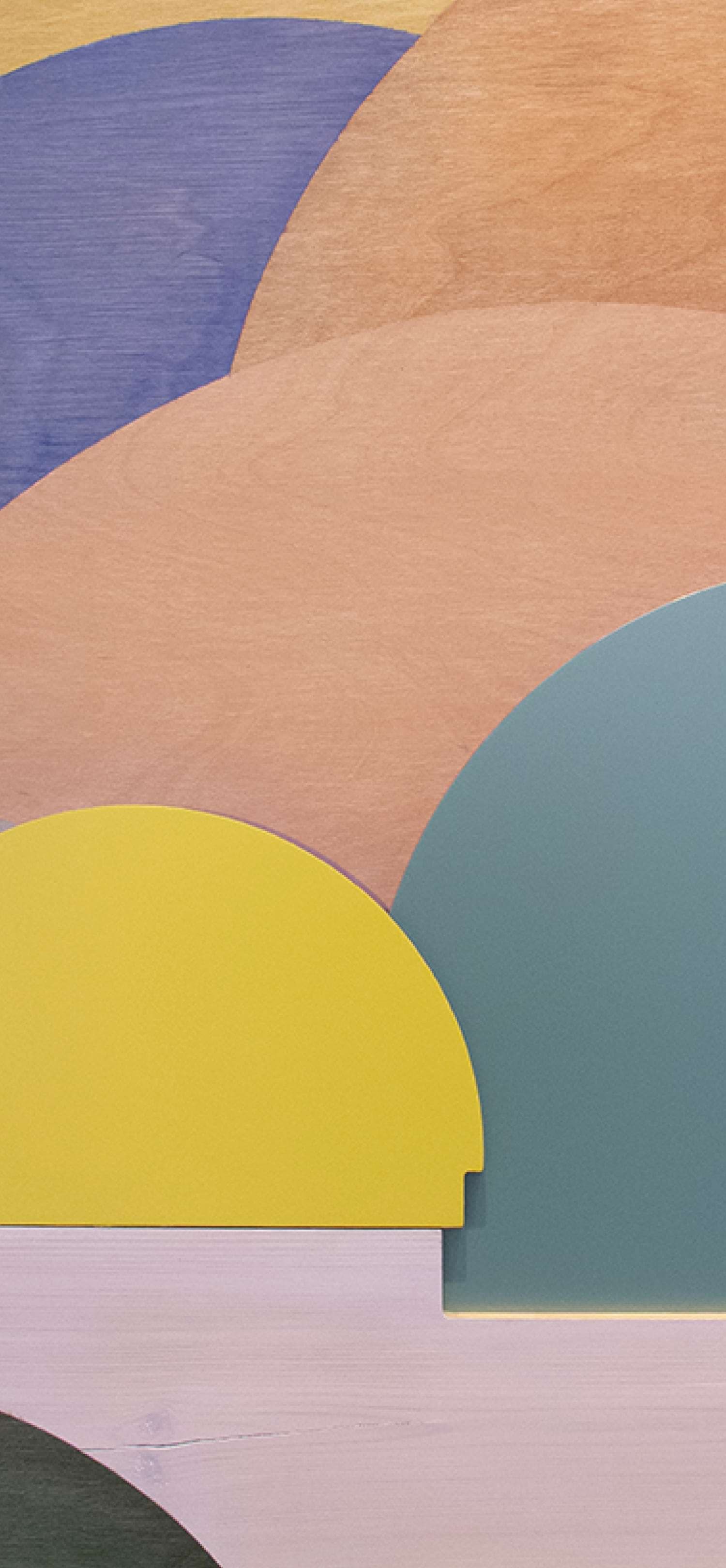
The reliefs in Garaicoa’s ongoing series π = 3.1416 (2023–2025) extend his interest in abstraction. Overlapping scalloped and steepled forms employ geometric patterning to explore concrete proportions. On one level, these compositions reflect the legacy of Russian avant-garde movement as well as earlier South American artists, including painters Gregorio Vardanega and Carmelo Arden Quin, and sculptor Lygia Pape, a leading figure of the Neo-Concrete movement in Brazil, whose work Garaicoa admires. Materially, these reliefs recall assemblage painting and possess a pronounced haptic quality.
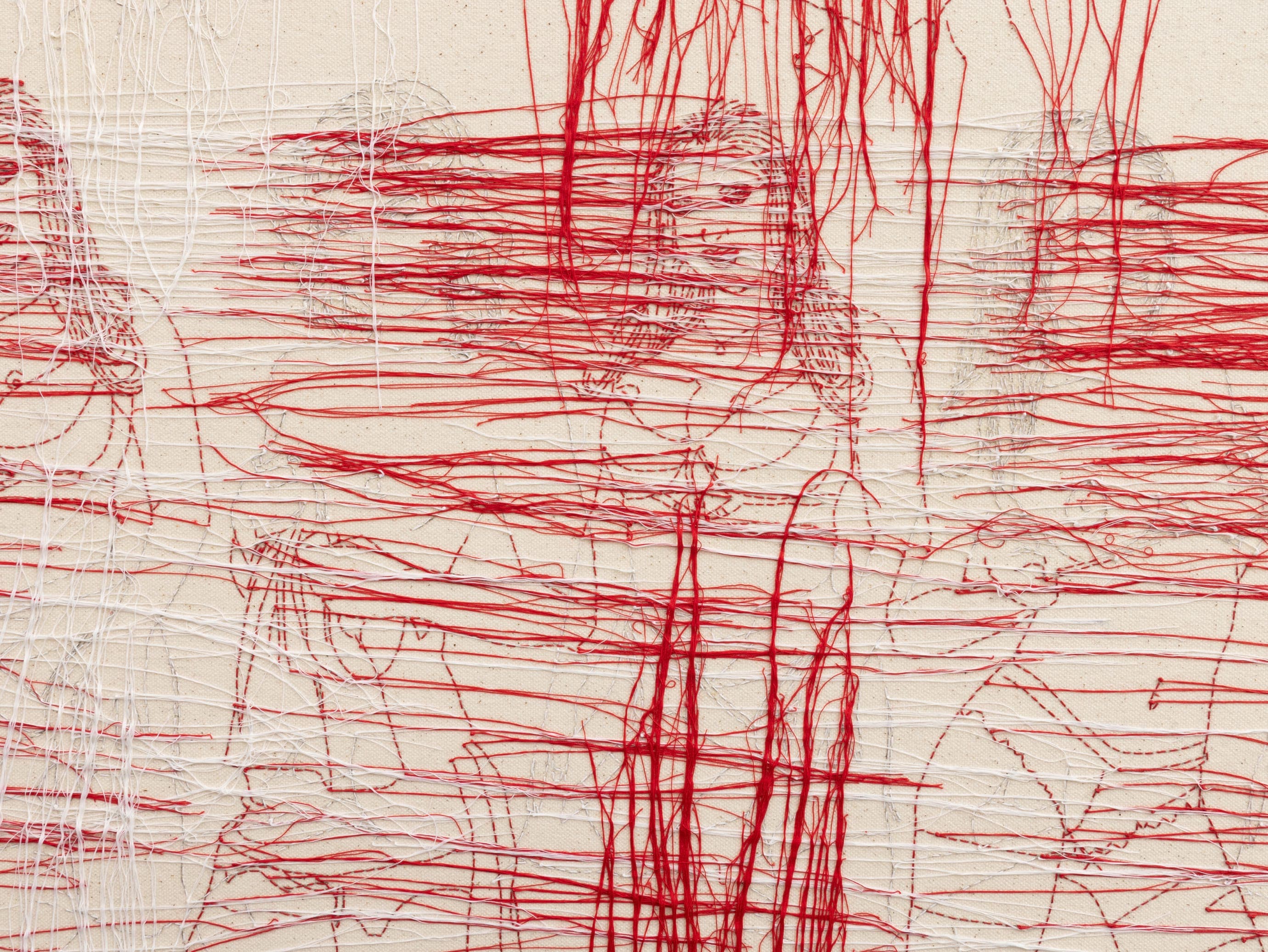
Remarking on Garaicoa’s reliefs, Cuban art historian and curator Osbel Suárez characterises them as “works in transit” that blur the “boundaries between the pictorial and the sculptural, placing us in an ambiguous, hard-to-define territory.” Alongside these painted works, the exhibition includes two new reliefs incorporating photography, a medium that functions both as a research tool and as a surrogate for drawing. Garaicoa describes photography as “an indispensable methodology in my work.”
As with architectural professionals who shape public space, sketching and modelling remain central to Garaicoa’s practice. These paper models from the ongoing The Old and The New series (2010–) incorporate nineteenth-century French engravings found in Lisbon, many of which depict architectural, engineering or carpentry structures, complementing earlier pieces in the same series that featured garden structures, animal shelters, churches or theaters.
Much in the same way that Garaicoa’s reliefs blur the boundaries between two- and three-dimensional forms, Garaicoa has reworked his source material into delicate paper constructions using a technique linked to an earlier series of pop-up book works. His models include contemporary structures in black card. The resulting tableaux is at once historical and speculative, further extending his search for a new language with which to evoke the city as a shared human condition.

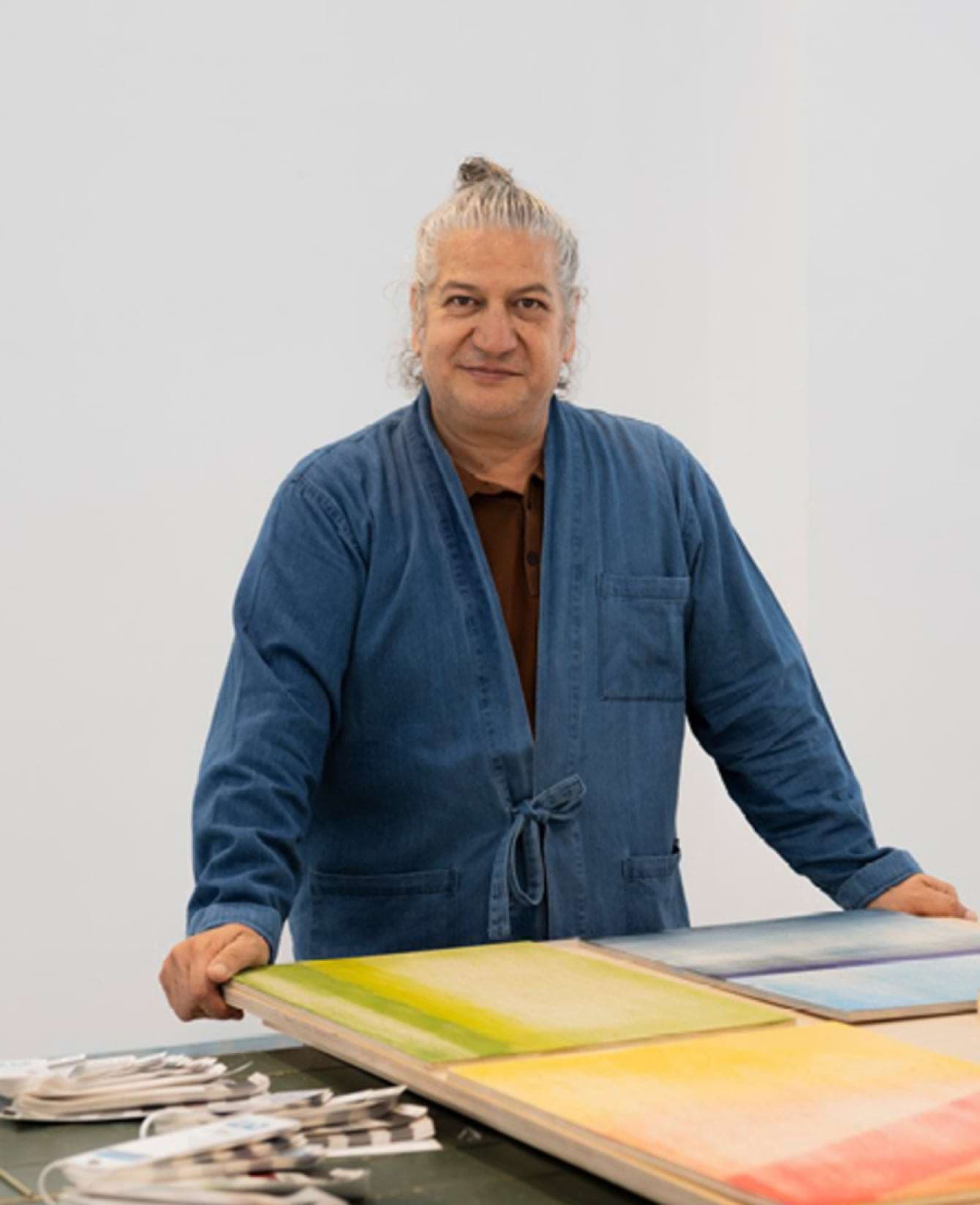
Artist Bio
Carlos Garaicoa (b. 1967 Havana, Cuba) studied thermodynamics and later painting at the Instituto Superior de Arte, Havana (1989 - 1994).
Garaicoa developed a multidisciplinary approach to address issues of culture and politics, particularly Cuban, through the study of architecture, urbanism and history. He focuses on a dialogue between art and urban space through which investigates the social structure of our cities in terms of their architecture. Through a wide variety of materials and media, Garaicoa found ways to criticise modernist Utopian architecture and the collapse of the 20th century ideologies.
Garaicoa has held numerous solo exhibitions including Lunds Konsthall and Skissernass Museum, Lund (2019); Parasol Unit Foundation, London (2018); Fondazione Merz, Torino (2017); MAAT, Lisbon (2017); Azkuna Zentroa, Bilbao (2017); Museum Villa Stuck, Munich (2016); Nasjonalmuseet, Oslo (2015); CA2M Centro de Arte Dos de Mayo, Móstoles, Madrid (2014); Fundación Botín, Santander (2014); NC-Arte and FLORA ars + natura, Bogotá (2014); Kunsthaus Baselland Muttenz, Basel(2012); Kunstverein Braunschweig, Brunswick, Germany (2012); Contemporary Art Museum, Institute for Research in Art, Tampa (2007); H.F. Johnson Museum of Art, Cornell University, Ithaca, New York (2011); Stedelijk Museum Bureau Amsterdam (SMBA), Amsterdam (2010); Centre d’Art la Panera, Lérida (2011); Centro de Arte Contemporáneo de Caja de Burgos (CAB), Burgos (2011); National Museum of Contemporary Art (EMST), Athens (2011); Inhotim Instituto de Arte Contemporáneo, Brumadinho (2012); Caixa Cultural, Río de Janeiro (2008); Museo ICO (2012) and Matadero (2010), Madrid; IMMA, Dublin (2010); Palau de la Virreina, Barcelona (2006); Museum of Contemporary Art (M.O.C.A), Los Angeles (2005); Biblioteca Luis Ángel Arango, Bogotá (2000).
Garaicoa has participated in prestigious international events such as the Biennials of Havana (1991, 1994, 1997, 2000, 2003, 2009, 2012, 2015), Shanghai (2010), São Paulo (1998, 2004), Venice (2009, 2005), Johannesburg (1995), Liverpool (2006) and Moscow (2005), the Triennials of Auckland (2007), San Juan (2004), Yokohama (2001) and Echigo-Tsumari (2012); Documenta 11 (2003) and 14 (2017) and PhotoEspaña 12 (2012).
In 2005 Garaicoa received the XXXIX International Contemporary Art Prize Foundation “Pierre de Monaco” in Montecarlo, and the Katherine S. Marmor Award in Los Angeles.
Garaicoa currently lives and works between Havana and Madrid.